Narrow staircases and access problems for West Hampstead removals
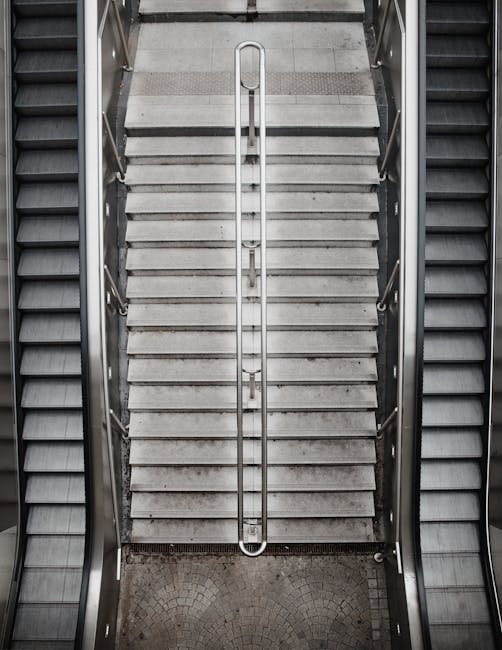
Moving home or office in West Hampstead sounds straightforward until you meet the staircase. A tight turn, a low ceiling, a shared hallway, or a front door that barely opens wide enough can change the whole day. That is exactly why narrow staircases and access problems for West Hampstead removals deserve proper planning, not a last-minute scramble.
If you have ever stood at the bottom of a Victorian stairwell with a sofa that clearly has other ideas, you will know the feeling. It is awkward, slow, and a little nerve-wracking. The good news? With the right checks, the right packing method, and the right moving approach, even tricky access can be handled calmly and efficiently. This guide explains what causes access issues, how professional removals teams deal with them, what to prepare in advance, and where simple decisions can save a surprising amount of stress.
It also helps you judge when a man and van service, a larger vehicle, or home move support makes the most sense. The aim is simple: fewer surprises on moving day, fewer bruised walls, and a lot less heavy lifting in cramped spaces.
Why Narrow staircases and access problems for West Hampstead removals Matters
West Hampstead has a mix of property styles, and that is part of the charm. There are period conversions, mansion blocks, compact flats, shared entrances, basement rooms, loft spaces, and narrow internal stairs that were never designed for modern furniture. Lovely to live in. Less lovely to move through.
Access issues matter because they affect almost every part of the move: timing, labour, risk of damage, the size of vehicle needed, and how many people should be on site. A move that looks quick on paper can become messy if a wardrobe will not turn at the landing or a fridge has to be carried down one step at a time with a tight bend halfway down. Truth be told, that is where most of the stress comes from. Not the lifting itself, but the lack of space to move properly.
For homeowners, tenants, landlords, and small businesses, the consequences can include:
- slower loading and unloading
- more physical strain for the team
- greater chance of scuffs, chips, or accidental knocks
- extra packing or dismantling work
- the need for a smaller vehicle or shuttle loading
- possible delays if parking or entry access is also limited
This is why careful planning is not a luxury. It is the difference between a controlled move and a chaotic one. And if you are comparing service options, it helps to understand the difference between a flexible local move and something that needs a bigger vehicle such as a moving truck or a more tailored service such as removal truck hire.
How Narrow staircases and access problems for West Hampstead removals Works
Handling a difficult staircase is usually a mix of measurement, method, and common sense. Before any heavy items are moved, a removals team should look at how the item and the route interact. That sounds obvious, but in practice it means checking far more than just the width of the stairwell.
A proper access review may include:
- stair width at the narrowest point
- turning space on landings
- height clearance under ceilings or light fixtures
- door widths at the property entrance and internal doors
- floor surfaces, handrails, and corners that could snag
- parking distance from the front door
- how easy it is to keep neighbours and shared areas clear
The team then decides on the best handling method. Sometimes the solution is simple: remove a table leg, take a headboard apart, or wrap a mattress in a way that makes it easier to bend around a turn. Other times, the fix is organisational rather than physical. For example, sending two people first with light items, keeping the larger item for a time when the corridor is empty, or loading the van in a different order so the biggest pieces come off first.
In more awkward homes, there may be a need for additional packing help before the move. A packing and unpacking service can reduce the number of loose items on the staircase and help protect fragile belongings from being shuffled around in a tight space. That can make a bigger difference than people expect, especially in older buildings where one overfull box can become a balance problem.
For offices, access planning is a little different. You may have IT equipment, filing, chairs, and archive boxes that all need to get through shared access points without slowing the building down. In those cases, office relocation services can help sequence the move so staff disruption stays manageable.
Key Benefits and Practical Advantages
Good access planning does more than avoid the obvious problems. It creates a calmer moving day and usually saves money in the long run, even if the planning stage takes a bit of effort upfront.
Here are the main benefits:
- Less risk of damage. Narrow stairs often mean close contact with walls, banisters, and doorframes. Good preparation reduces those little accidents that are annoying to fix.
- Faster loading and unloading. When the route is known in advance, the team can work in a better sequence instead of stopping to rethink every item.
- Better protection for furniture. Items can be wrapped, dismantled, or angled properly if the obstacle is understood before the van arrives.
- Reduced strain. Heavy lifting through tight stairs is harder on the body. Planning the move carefully helps the crew work safely.
- Fewer surprises. Let's face it, the surprise nobody wants is a sofa that will not make the turn by 2cm.
There is also a quieter benefit: confidence. Once you know the staircase has been measured and the access route has been thought through, you stop worrying about what might go wrong. That is a big deal on moving day, especially if you are juggling work, children, or a train you must catch at some ungodly hour.
Expert summary: The best removals for narrow staircases are rarely the strongest teams in the room; they are the teams that plan the route, protect the property, and choose the right sequence of work.
Who This Is For and When It Makes Sense
This kind of planning is useful for anyone moving in or out of properties where access is tight, but it becomes especially important in a few common situations.
You may need extra access planning if you are:
- moving from a top-floor flat with a narrow internal staircase
- relocating into a converted Victorian or Edwardian property
- dealing with a shared hallway, buzzer entry, or communal stairs
- moving furniture that is bulky, heavy, or awkwardly shaped
- running a business move with equipment that cannot be dropped or tilted too far
- arranging a same-day move where time pressure is already high
It is also sensible if you are unsure whether an item will fit. Many people assume something will be fine until the day arrives. Then the mattress is flexed awkwardly, the chest of drawers gets stuck on the turn, and everyone stands there in that classic moving-day silence. Not ideal.
In those situations, a flexible local service such as man with van support can be a practical choice, especially where access is tight and the move benefits from smaller loads, more careful handling, or multiple trips. For heavier domestic work, you might want to compare that with a more structured house removalists approach.
If you are disposing of items that simply will not fit safely through the stairs, you may also need to think about removal rather than relocation. That could include a worn sofa, old appliance, or mattress. In that case, services such as mattress and sofa disposal or fridge and appliance removal may be the better route.
Step-by-Step Guidance
If the stairs are tight, do not just hope for the best. A careful step-by-step process helps you spot the pinch points before they become day-of problems.
1. Measure the awkward bits, not just the room
Measure the stair width, the narrowest landing turn, door openings, and the height under any low ceiling sections. If possible, measure larger furniture too. It sounds basic, but these measurements are often the difference between "yes, it fits" and "we need to rethink this".
2. Identify the hardest items first
List the most difficult pieces: sofas, wardrobes, beds, appliances, desks, or oversized mirrors. These are the items most likely to cause delays. If they can be dismantled, note that early. If not, plan the route carefully.
3. Clear the route completely
Take away lamps, loose decor, shoes, coat stands, and anything that narrows the staircase further. In a tight stairwell, even a small basket can become a tripping hazard. The route should feel almost boring. That is the aim.
4. Decide what must be wrapped, dismantled, or removed
Some items need blankets or bubble wrap. Others need legs removed or doors taken off. A bed frame may be easy to dismantle, while an old wardrobe might be better moved as separate panels. This is where a bit of experience helps.
5. Check the access outside as well
Narrow stairs are one thing, but the front of the property matters too. If the van cannot park close enough, everyone carries for longer. If the path is uneven or the entrance is shared, loading gets slower and riskier. Sometimes the issue is not the staircase at all. It is the full route.
6. Build the moving order around the route
Small items may need to go first so the route stays clear. Heavy items may need a two-person carry. Bulky items should usually be moved when the staircase is least cluttered. This sounds like housekeeping, but it is actually strategy.
7. Leave a buffer in the schedule
Access problems take time. If the stairs are difficult, do not plan your whole day around the fastest-case scenario. Build in a margin. A little extra time keeps the move from feeling rushed, and rushed moves are where mistakes happen.
Expert Tips for Better Results
Here are the small details that tend to make a big difference. Not glamorous, but useful. Very useful.
- Use proper furniture protection. Blankets, straps, and corner protection are often more important than people realise. A narrow stairwell can chew through unprotected surfaces quickly.
- Keep one person focused on the route. In awkward spaces, one person should watch corners, ceilings, and wall clearances while the others carry.
- Speak up before the lift starts. If something looks tight, stop and reset. A ten-second pause beats a chipped wall and a bruised shin.
- Do not overload boxes. Heavy boxes are harder to control on stairs and more likely to slip or twist in the hand.
- Use the right vehicle size. A smaller van can sometimes be more practical than a large truck if access near the property is tight.
- Move the biggest items in daylight where possible. At 7am, stairwells can be dim and a bit gloopy with sleepy silence. Better visibility helps.
If you are dealing with delicate or confidential items while moving through shared access, it may also make sense to separate them carefully before the move. For office papers and sensitive records, confidential shredding can help reduce the amount of paperwork you need to transport at all.
And one more thing: protect the exit door as well as the stairs. People often focus on the stairwell, then forget the doorway where most bumps happen. Annoying, but common.
Common Mistakes to Avoid
Most access problems are made worse by avoidable mistakes. The good news is, once you know them, they are fairly easy to sidestep.
- Assuming all furniture will fit. A sofa that clears the hallway may still fail on the landing turn.
- Not measuring the staircase properly. Guessing is not a strategy.
- Leaving bulky furniture assembled. A few bolts removed early can save a lot of trouble later.
- Ignoring parking restrictions or loading distance. The carry gets harder fast if the vehicle is too far away.
- Packing boxes too full. Heavy boxes are awkward on stairs and slow the whole operation.
- Forgetting about shared spaces. Communal access means other people may need to pass through, so timing matters.
- Not mentioning access issues when booking. This is probably the biggest one. If the team does not know, they cannot plan.
There is also a financial mistake people make: choosing the cheapest-looking option without considering access complexity. A move through narrow stairs may need a more experienced team, a better sequence, or extra labour. That is not an upsell; it is just reality. Cheap can become expensive if the job needs doing twice.
Tools, Resources and Recommendations
You do not need specialist kit in every case, but a few simple tools and habits can make tight-access removals much smoother.
Useful tools and materials:
- measuring tape
- furniture blankets
- sturdy packing tape
- marker pens and labels
- basic screwdriver or hex key set
- gloves with grip
- straps or ties for keeping items secure
Useful planning habits:
- photograph the stairwell and entrance before the move
- label dismantled furniture parts clearly
- keep screws and fixings in sealed bags
- separate fragile items from heavy boxes
- tell neighbours in advance if the hallway will be busy
Where sustainability matters, it can also help to separate items that are no longer needed before moving day. Reusable pieces can be passed on, while unwanted waste can be handled through the appropriate route. If you are disposing of old items as part of a wider clear-out, recycling and sustainability guidance may be useful, and some people also compare options against furniture pick-up for items they do not want to move again.
If you are planning a larger property move, it is worth reviewing the company's wider approach to safety and property care as well. That may include health and safety policy information and insurance and safety details, because tight stairs and valuable furniture are not a combination you want to improvise around.
Law, Compliance, Standards, or Best Practice
For most readers, the practical side matters more than the legal side, but it is still worth knowing the basics. In the UK, moving teams are generally expected to work safely, avoid preventable damage, and take reasonable care when handling goods and navigating premises. That means sensible risk assessment, proper lifting technique, and honest communication about access limitations.
In a shared building, there is also a courtesy element that matters a lot in practice. Keeping communal hallways clear, avoiding unnecessary noise, and protecting shared surfaces are all part of professional behaviour. It is not glamorous, but it is the stuff neighbours remember.
If a property has accessibility concerns, building management rules, or shared entry requirements, those need to be respected too. For example, some buildings have time windows for loading or rules about lift use, parking, or corridor access. Always check what applies to your specific property and be upfront with the removals team before the move begins.
One more point: if you are moving business equipment or sensitive materials, ask how they will be handled and secured in transit. Pages such as payment and security and terms and conditions are worth reviewing so expectations are clear from the start. No one likes awkward surprises after the van has left.
Options, Methods, or Comparison Table
There is no single best method for every tight staircase. The right choice depends on the size of the items, the distance from the van, and how much dismantling is possible.
| Approach | Best for | Pros | Limitations |
|---|---|---|---|
| Small man and van move | Few items, light loads, tricky access | Flexible, easier near tight streets, often quicker to organise | May require multiple trips for larger loads |
| Full house removal | Whole-home moves with mixed furniture | Structured loading, more manpower, better for planning | Needs more coordination and usually more time on site |
| Moving truck setup | Larger volumes or longer distance moves | Good capacity, efficient for bigger jobs | May be less convenient where access is cramped |
| Disposal or furniture pick-up | Items that will not safely fit through the stairwell | Removes awkward pieces without forcing unsafe handling | Not suitable for everything, and still needs proper sorting |
As a rough rule, if the property access is tight but the load is modest, a flexible man and van setup may be enough. If the move is larger, or there are several awkward items, a more complete moving plan is usually the safer route. And if the stairwell is so narrow that a piece simply should not go through it, that is often the moment to consider a different path entirely rather than forcing it.
Case Study or Real-World Example
A common West Hampstead scenario goes like this: a two-bedroom flat in a period conversion, a steep staircase with a tight landing, a sofa, a bed frame, a dining table, and a couple of fragile lamps that have been packed with optimistic confidence. The flat looks manageable until the carrying starts.
In a move like this, the team would usually walk the route first, decide which furniture should be dismantled, and wrap the biggest items before lifting anything heavy. The bed frame might come apart in minutes. The table legs can often be removed. The sofa, if it is especially bulky, may need careful angle work and two-person control on the landing turn.
What tends to help most is not brute force but sequencing. The stairwell stays clear. Small boxes go first. The heavier pieces come once the route is open and the team can focus. If an item is judged too awkward to move safely, it is better to stop and reassess than to keep wrestling it. Nobody wins that one. The wall certainly does not.
At the end of a move like this, people usually say the same thing: it felt much easier once the plan was clear. That is exactly the point of planning around narrow staircases and access problems. The move still happens. It just happens with fewer dramas.
Practical Checklist
Use this checklist before moving day so you are not relying on memory when things get busy.
- measure the staircase, landings, and doorways
- check the size of the largest furniture items
- note any low ceilings, tight corners, or awkward bends
- identify items that can be dismantled
- clear all loose objects from the route
- confirm parking and front-door access
- protect walls, banisters, and doorframes where needed
- label boxes clearly and keep heavy items manageable
- tell the removals team about any shared access rules
- set aside extra time for awkward handling
- separate items for disposal, recycling, or pick-up
- keep valuables and paperwork together in a safe place
If you want a single takeaway: measure early, communicate clearly, and do not force large items through a route that is already telling you it is too tight. That really is the heart of it.
Get a free quote today and see how much you can save.
Conclusion
Narrow staircases and access issues do not have to derail a move in West Hampstead. They do, however, need respect. Once you know the route, understand the awkward points, and choose the right moving method, the whole process becomes far more manageable.
What matters most is honest planning. Measure the space. Identify the difficult items. Decide whether furniture needs to be dismantled. Choose a moving approach that suits the property rather than fighting against it. Simple, really. Not always easy, but simple.
If you take the access problem seriously from the start, moving day feels less like a scramble and more like a sequence of sensible steps. And that is a good feeling. Calm, controlled, and a lot quieter than a sofa getting stuck halfway up the stairs.
Frequently Asked Questions
How do I know if my staircase is too narrow for my furniture?
Measure the narrowest point on the stairs, the landing turns, and the doorway widths. Then compare those measurements with the widest part of your furniture, including any handles, feet, or protruding arms. If it looks tight on paper, it will usually feel tighter in real life.
Can a removals team dismantle furniture for narrow staircases?
Yes, many items can be dismantled before carrying, such as bed frames, tables, and some wardrobes. This is often the easiest way to get bulky furniture through awkward access without damage.
What if my property has a shared hallway or communal stairs?
Shared access needs extra care. Keep the route clear, minimise disruption, and let the removals team know in advance. Timing can matter a lot in communal buildings, especially if neighbours also need to pass through.
Is a man and van service suitable for difficult access?
Often yes, especially if the load is modest and the move needs flexibility. A smaller vehicle and a lighter load can be easier to manage when stairs are tight or parking is limited. For larger moves, a fuller service may be better.
Should I choose a bigger vehicle or a smaller one for West Hampstead access problems?
It depends on the property. A bigger vehicle may reduce trips, but it is not always the easiest option in a tight street or where parking is limited. Sometimes a smaller van with a better loading plan works better overall.
How can I protect walls and banisters during a move?
Use furniture blankets, corner protection, and careful lifting technique. It also helps to keep the route clear so the team does not have to squeeze past obstacles. Most damage happens in tight, rushed moments.
What should I do before the removals team arrives?
Clear the staircase, measure awkward furniture, decide what can be dismantled, and separate items for disposal if needed. If you have access notes, parking details, or building rules, have those ready too.
Do access problems make a move much more expensive?
They can increase the time and labour needed, but the cost depends on the actual situation. The best way to avoid surprises is to describe the access honestly when you book and share measurements or photos if you have them.
What if a sofa or wardrobe will not fit through the stairs at all?
Do not force it. Reassess whether it can be dismantled or whether it should be removed another way. For items you do not want to keep, furniture disposal or pick-up may be the more practical option.
Can packing services help with narrow staircases?
Yes. Careful packing reduces clutter, protects fragile items, and makes it easier to keep the staircase clear. A tidy route is much easier to work with than a pile of overfilled boxes. Honestly, it makes a bigger difference than people expect.
What is the best way to prepare for moving day in a West Hampstead flat?
Measure the access, remove obstacles, label everything clearly, and tell the team about the tight points before the move starts. If the staircase looks awkward now, it will not get more forgiving later. A bit of planning goes a long way.
Where can I find more information about the company's approach to safety and service?
It helps to review pages such as about us, health and safety policy, and accessibility statement before booking. They give you a clearer picture of how the service is structured and how care is handled on site.