West Hampstead removals guide for West End Lane moves
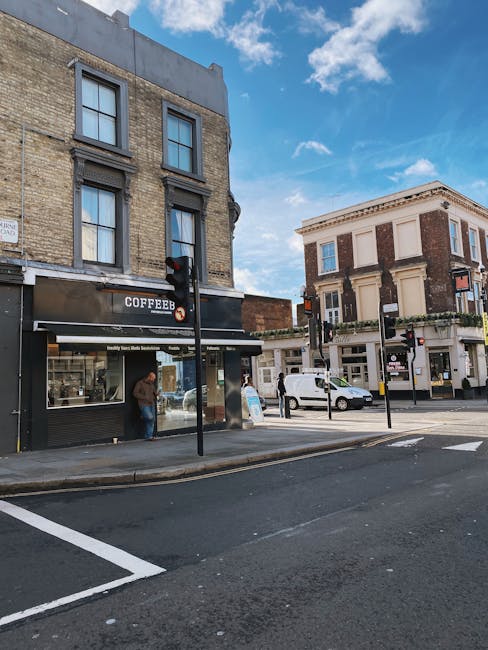
Moving around West End Lane can feel straightforward on paper and then suddenly a bit fiddly in real life. Narrow streets, busy pavements, parking pressure, flats above shops, awkward stairwells, and the usual London timing puzzle all have a way of turning a simple house move into a proper logistical exercise. This West Hampstead removals guide for West End Lane moves is here to make the process calmer, clearer, and much more manageable.
Whether you are moving from a one-bed flat near the station, upsizing to a family home a little further out, or relocating a business premises along the same stretch, the basics are the same: good planning, realistic timing, careful packing, and the right removal support. Truth be told, that is often what separates a smooth move from a stressful one.
Below you will find a practical, local-friendly guide to getting it done properly, including what to expect, how to prepare, where problems usually crop up, and how to choose the right help for the job. If you are also comparing wider moving support, it can help to look at professional removal services alongside more specific local options such as man and van support or packing assistance depending on the size and complexity of your move.
Table of Contents
- Why West Hampstead removals guide for West End Lane moves Matters
- How West Hampstead removals guide for West End Lane moves Works
- Key Benefits and Practical Advantages
- Who This Is For and When It Makes Sense
- Step-by-Step Guidance
- Expert Tips for Better Results
- Common Mistakes to Avoid
- Tools, Resources and Recommendations
- Law, Compliance, Standards, or Best Practice
- Options, Methods, or Comparison Table
- Case Study or Real-World Example
- Practical Checklist
- Conclusion
- Frequently Asked Questions
Why West Hampstead removals guide for West End Lane moves Matters
West End Lane sits in one of those parts of London where moving is rarely just about lifting boxes from A to B. There are shared entrances, time-sensitive loading spaces, traffic that seems to appear from nowhere, and the kind of parking reality that can make even a short move feel longer than it should. A good removals plan matters because it helps you avoid chaos before it starts.
If you are moving within West Hampstead, the challenge is often less about distance and more about access. Can the van park close enough to the property? Is there a lift, or will everything need to go down stairs? Will the sofa fit through the hallway without an awkward angle and a moment of silence? These are ordinary questions, but they make a huge difference on moving day.
There is also the emotional side. London moves can be tiring, and a bit noisy, and occasionally messy in that oddly specific way where every flat looks smaller with the doors open. A clear local removals guide gives you a better sense of control. And honestly, that helps more than people expect.
For moves that need a more tailored service, it can be useful to understand how a company handles different property types and levels of access. Pages such as house removals and office removals can help you match the service to the move rather than guessing.
How West Hampstead removals guide for West End Lane moves Works
At its core, a successful move around West End Lane follows the same logic as any well-run move, just with more attention to access and timing. You assess the property, plan the route, decide what needs professional handling, and break the move into manageable stages. That sounds simple enough. The reality is in the details.
Here is how the process usually works in practice:
- Survey the property and access points. This includes stairs, lifts, shared hallways, door widths, parking availability, and any awkward corners.
- Estimate the volume. A small flat with minimal furniture is very different from a family home or a work premises with equipment.
- Choose the right moving approach. Some moves only need a man and van. Others need a full packing and removals team.
- Confirm timing. Moving earlier in the day often helps in busy London areas, though building rules or handover times may dictate the schedule.
- Prepare belongings. Boxes should be labelled clearly, valuables separated, and furniture protected.
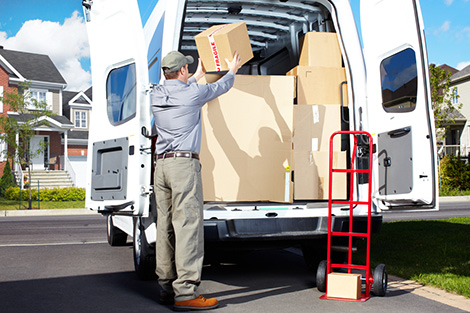
- Load efficiently. Heavy items go first, delicate items are secured properly, and the van is packed to reduce movement in transit.
- Unload in the right order. The best teams place items where you need them, not just in a pile by the door.
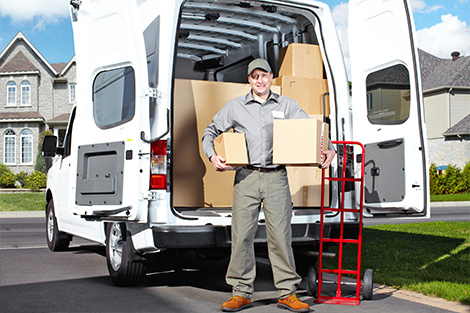
If you have ever watched a move go well, it usually looks almost boring. That is the point. The van arrives, the team knows the plan, boxes are handled in sequence, and there is no frantic last-minute hunt for tape. A little dull? Maybe. But you will be grateful for it at 4:30pm when the kettle is finally unpacked.
Key Benefits and Practical Advantages
A well-managed removals plan does more than get your belongings to the new address. It reduces friction, protects your furniture, and gives you a better chance of settling in without that half-moved, half-lost feeling that can hang around for days.
- Less stress: The job feels structured rather than rushed.
- Lower risk of damage: Good packing and handling reduce scuffs, chips, and breakage.
- Better time control: You are less likely to lose the whole day to avoidable delays.
- Improved access planning: Local knowledge helps with parking, loading, and stair access.
- More efficient unpacking: Clear labels and organised loading make the first night easier.
There is also a commercial benefit if you are moving a business or working from home. Less downtime usually means a quicker return to normal. For some people, that means getting the laptop set up before lunch. For others, it means making sure stock, documents, or office equipment arrives without confusion. Small thing, big difference.
It can be worth combining moving support with storage if your dates do not line up neatly. If that is your situation, look at options such as storage services so you are not forced into a rushed compromise.
Who This Is For and When It Makes Sense
This guide is useful for anyone moving in or around West Hampstead, especially along West End Lane and the surrounding residential streets. But different movers need different levels of support, and to be fair, one size rarely fits all.
You will probably benefit most if you are:
- moving from a flat with stairs or limited parking
- relocating a family home with larger furniture
- moving in or out of a mansion block or converted property
- managing a same-day handover and tight timing window
- moving a small office, studio, or work-from-home setup
- short on time and needing packing help as well as transport
It also makes sense if you are not sure what level of service you need. Some people assume they need a full team when a simple van and a couple of movers will do. Others underestimate the job and end up scrambling for help on moving day. Neither is ideal.
If your move is highly local and fairly light, a same day removals option can sometimes be the most practical fit. If you are moving further afield, then a broader service plan may work better.
Step-by-Step Guidance
Here is a straightforward way to organise a West End Lane move without overcomplicating it. Think of it as the part that saves your future self from muttering at a half-open wardrobe box.
1. Start with a proper inventory
List your furniture, boxes, fragile items, and anything awkward such as bikes, mirrors, lamps, or large artwork. A rough list is better than none, but a detailed one helps with quoting and planning. If you are moving a lot of books, for example, that affects box choice and loading weight more than people often realise.
2. Measure the awkward bits
Measure doorways, stair turns, lifts, and any tight hallway corners. It only takes one oversized sofa to change the whole plan. A common issue in older London buildings is that the item fits the room but not the route out of it. Slightly annoying. Very real.
3. Decide what needs professional packing
Kitchenware, glass items, lamps, monitors, and framed pieces usually benefit from specialist packing. If you are short on time, a packing service can save hours and reduce breakage risk. You can still pack everyday clothes and soft items yourself if you want to keep costs sensible.
4. Book the right moving date and time
Check building access rules, lift bookings if relevant, and any handover conditions on the new property. In busy local streets, moving early can help. Sometimes later in the morning is fine, but if access is tight, a clean start usually beats a rushed one.
5. Prepare parking and access
Parking is often where local moves get complicated. Make sure the removal team knows exactly where the van can stop, whether there is a loading bay, and whether anyone needs to manage the door or intercom. A quick call in advance can prevent a long, awkward wait on the pavement.
6. Label everything clearly
Use room labels and priority labels like open first or fragile. That way, the essentials arrive where you need them rather than disappearing into the middle of the van. It sounds basic, but this is one of those things that saves a lot of noise later.
7. Keep a first-night essentials box
Put kettle, mugs, toiletries, chargers, medication, snacks, toilet roll, and a change of clothes into one easy-to-find box or bag. If the move goes long, this one box can feel like a tiny miracle. Seriously.
8. Walk through the property after unloading
Check that every item has arrived, note any damage immediately, and make sure heavy furniture is placed roughly where you want it before the team leaves. You do not need perfection on the first day, but you do want a sensible start.
Expert Tips for Better Results
Small improvements make a huge difference in removals. The difference between a decent move and a very good one is often not dramatic at all, just a few smart decisions made early.
- Book before the peak rush if possible. Weekends and month-end slots can fill quickly, especially in London.
- Use sturdier boxes for heavy items. Cheap, flimsy boxes collapse at exactly the wrong moment.
- Wrap fragile items individually. One layer of paper rarely counts as protection.
- Disassemble furniture in advance where practical. It saves time on the day and reduces the risk of damage.
- Take photos of cable setups before unplugging anything. Future you will appreciate this more than you expect.
- Keep documents and keys separate. Important papers should not be buried under toaster boxes.
A genuinely useful tip: leave a small corridor through the most cluttered room so people can move safely and quickly. It sounds obvious, yet once the boxes start stacking, that walkway disappears faster than you think.
Another one. If you are moving from West End Lane to nearby streets, tell the team about any odd access details early. A very narrow stairwell, a front door that sticks, or a lift that is tiny but technically legal can change how the whole move is handled. Nothing dramatic, just practical reality.
Common Mistakes to Avoid
Most moving headaches come from a handful of predictable mistakes. The good news is that they are avoidable if you know what to watch for.
- Leaving packing too late: Last-minute packing always leads to poor labelling and higher breakage risk.
- Underestimating access problems: A short distance does not mean an easy move.
- Not checking furniture dimensions: If it does not fit through the route, it does not fit.
- Forgetting building restrictions: Some properties have time windows or rules about lift use and loading.
- Choosing the wrong vehicle size: Too small means extra trips. Too large can be awkward in tight streets.
- Failing to protect floors and furniture: A few blankets or protectors can prevent unnecessary damage.
One easy mistake is assuming everything can be sorted after arrival. Can it? Sometimes. But why create that pressure in the first place? If you know which boxes go where, and what should be unpacked first, the whole day runs better.
People also forget about energy. If you are doing a lot yourself, eat before you start and keep water close by. Not glamorous advice, but useful. Moving on an empty stomach is a bad plan in any postcode.
Tools, Resources and Recommendations
You do not need a complicated toolkit to move well, but a few sensible items make the process smoother. Most are simple, and none are particularly exciting. Still, they earn their keep.
| Tool or item | Why it helps | Best used for |
|---|---|---|
| Strong cardboard boxes | Protects items and stacks better in the van | Books, kitchenware, everyday belongings |
| Bubble wrap or paper | Cushions fragile items during transit | Glass, ceramics, electronics accessories |
| Furniture blankets | Reduces scratching and scuffs | Tables, wardrobes, desks, beds |
| Labels and marker pens | Makes unloading and unpacking quicker | Room-by-room organisation |
| Toolkit | Useful for disassembly and reassembly | Beds, shelving, flat-pack furniture |
For many people, the most useful resource is not a tool at all but a plan. If you prefer to keep things compact, a short local move may work well with light removals. If you need extra help with setup once you arrive, a broader furniture assembly service can save a lot of faff.
It can also help to think in zones: what is packed, what is fragile, what is staying, what needs dismantling, and what must be loaded last so it comes off first. That simple framework keeps the day from drifting.
Law, Compliance, Standards, or Best Practice
Moving house or office in West Hampstead does not usually involve complex legal steps, but there are still practical standards and obligations worth respecting. The main ones are common-sense, safety-led, and tied to building access rather than formal paperwork.
For example, you should check any leasehold, building management, or landlord rules that affect move-in or move-out times, lift usage, protective coverings, or booking procedures. Some blocks are stricter than others. That is normal in London, and ignoring it can create delays you really do not need.
There is also a safety angle. Removal teams should handle items in a way that reduces risk to people and property, especially on stairs and in shared spaces. Good practice usually includes sensible lifting techniques, secure loading, and care around entryways and floors. If you are doing any lifting yourself, do not overreach. That old shoulder tweak from a bad box lift? Nobody needs a repeat of that.
Finally, if parking or loading space is limited, plan ahead rather than hoping it will sort itself out. In busy areas, a carefully timed approach is just part of moving responsibly. It keeps neighbours happier too, which never hurts.
Options, Methods, or Comparison Table
Choosing the right moving method is often the key decision. Some moves need full-service support, while others only need transport and a little muscle. The best option depends on how much you are moving, how difficult access is, and how much time you actually have.
| Option | Best for | Pros | Trade-offs |
|---|---|---|---|
| Man and van | Small flats, light loads, short local moves | Flexible, practical, usually cost-efficient | Not ideal for large homes or high-volume moves |
| Full removals team | Families, larger homes, complex access, busy schedules | More efficient, more hands, better for heavy items | Higher cost than basic transport-only support |
| Packing service | Fragile items, busy households, time-poor movers | Safer packing, less stress, faster moving day | Extra cost, though often worth it |
| Storage plus removals | Gap between tenancies, renovations, downsizing | Flexible timing, less pressure on move day | Requires extra planning and coordination |
If you are unsure which route fits your situation, start by asking how many rooms you have, how much heavy furniture you own, and whether access at both addresses is awkward. Those three answers usually point you in the right direction.
Case Study or Real-World Example
Picture a typical move on West End Lane: a one-bedroom flat on the third floor, no lift, a tight stairwell, and a move-out deadline before early afternoon. Nothing extreme. Just enough to make the day a bit twitchy if it is not planned properly.
In a case like that, the smart approach is usually to split the work into stages. Boxes and lightweight items go out first, followed by dismantled furniture, then mattresses and larger pieces with protective wrapping. The team is told in advance that parking is limited, so they arrive with a plan for quicker loading. The resident keeps a labelled essentials bag close by, rather than packing it into a random box marked "misc". A classic mistake, that one.
The result is not magical. Nobody needs fireworks. But the move is steadier, fewer items are misplaced, and the first night in the new place is much easier because the practical things are to hand. That is often what people want most from a removals service: not perfection, just calm, competent progress.
In another common scenario, a small home office is being moved as part of a house relocation. The computer, printer, chargers, and paperwork are packed separately from general household items, then unloaded last so the desk area can be set up quickly. A few thoughtful decisions like that save hours later.
Practical Checklist
Use this checklist in the final week before your move. It is simple, but it covers the things that most often get missed when everyone is busy.
- Confirm moving date, time, and access arrangements
- Check parking and loading space at both addresses
- Measure large furniture and tight doorways
- Book packing help if needed
- Set aside valuables, documents, and keys
- Pack a first-night bag with essentials
- Label boxes by room and priority
- Protect fragile items and mirrors properly
- Disassemble furniture where practical
- Charge phones and keep chargers accessible
- Notify relevant contacts of your new address
- Walk through both properties before and after loading
Expert summary: The smoothest West Hampstead moves are usually the least dramatic ones. Clear access details, sensible packing, and a realistic schedule do most of the heavy lifting long before the van arrives.
Conclusion
A West End Lane move in West Hampstead does not have to be stressful. It just needs the kind of planning that matches the area: practical, flexible, and a bit more careful than an average move elsewhere. Once you understand the likely access issues, choose the right level of service, and pack with purpose, the whole process becomes much easier to handle.
The main thing is not to leave everything until the last minute. That is where stress sneaks in. If you prepare the route, protect your belongings, and keep your first-day essentials close, you will already be ahead of the game.
Get a free quote today and see how much you can save.
And if you are still comparing options, it may help to review the full range of removal services so you can match support to the move you actually have, not the one you wish you had. A steady move is a good move. Simple as that.
Frequently Asked Questions
How far in advance should I book a removal service for West End Lane?
For a typical local move, booking as early as you can is sensible, especially if you want a weekend slot or need packing help. London dates fill quickly, and a little lead time gives you more choice and less pressure.
Is a man and van enough for a flat move in West Hampstead?
Sometimes, yes. If you have a small amount of furniture, a manageable number of boxes, and straightforward access, a smaller service can be perfectly suitable. If stairs, parking, or volume become an issue, a fuller removals team may be the better choice.
What is the biggest challenge with moves on West End Lane?
Access is usually the main issue. Parking, loading space, stairs, lifts, and building rules tend to matter more than the actual distance. A short move can still be logistically tricky if the property is hard to reach.
Should I pack everything myself or use a packing service?
That depends on your time, your budget, and how fragile your items are. Many people pack clothing and everyday items themselves but use professional packing for kitchenware, glass, electronics, and artwork. It is a very sensible middle ground.
How can I reduce the risk of damage during the move?
Use strong boxes, wrap fragile items properly, disassemble furniture where possible, and label things clearly. The more stable and organised your load is, the less likely items are to shift or get scratched in transit.
Do I need to worry about parking near West End Lane on moving day?
Yes, you should plan for it. Parking and loading can be awkward in busy parts of West Hampstead, so it is wise to discuss the exact access point with your removal team well beforehand. That one detail can save a lot of time.
What should go in my first-night box?
Put in the essentials: kettle, mugs, tea or coffee, toiletries, medication, phone chargers, toilet roll, snacks, basic tools, and a change of clothes. If the move runs long, this box is a small blessing.
Can I move on the same day I get the keys?
Yes, many people do. The key is to keep the timetable realistic and make sure access is confirmed at both properties. Same-day moves are much easier when boxes are ready and furniture is labelled in advance.
What if my furniture will not fit through the door?
That is where measuring first really helps. If a large item cannot safely pass through the route, it may need to be dismantled or moved with specialist handling. It is better to find this out before moving day, not during it.
Is storage a good idea if my move dates do not line up?
Yes, storage can be very helpful if there is a gap between leaving one property and entering the next, or if you are downsizing and need time to sort through belongings. It gives you breathing room rather than forcing a rushed decision.
How do I choose the right removals company for West Hampstead?
Look for a company that understands local access challenges, offers the right service level for your property size, and communicates clearly about timing, packing, and loading. A good fit should feel organised and practical from the first conversation.
What if I only need help with a few heavy items?
That is a common situation, and you do not need to overbuy the service. A lighter removals option or man and van support can often cover sofas, beds, wardrobes, or other bulky pieces without committing to a full move package.