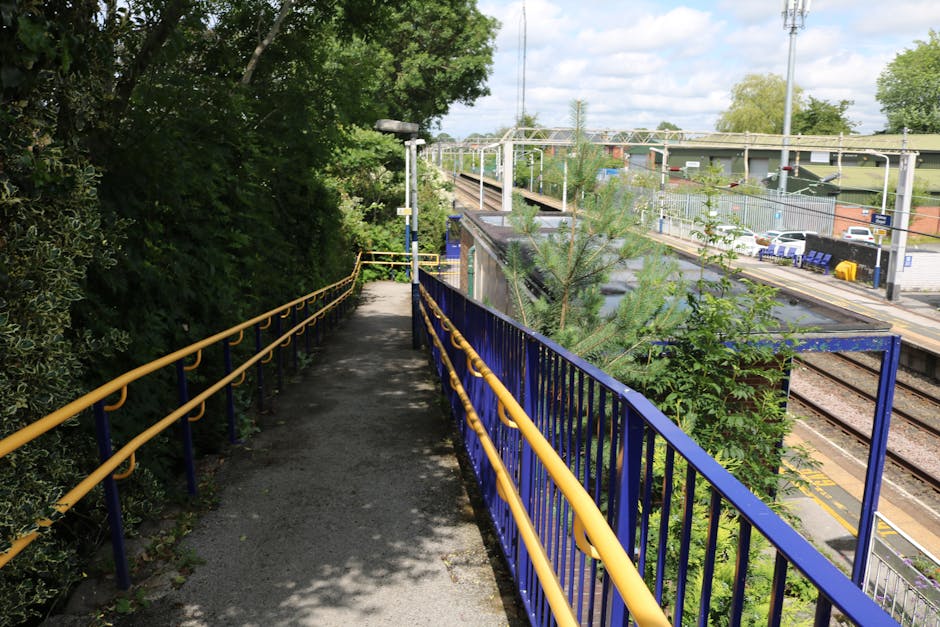
West Hampstead station access tips for removals
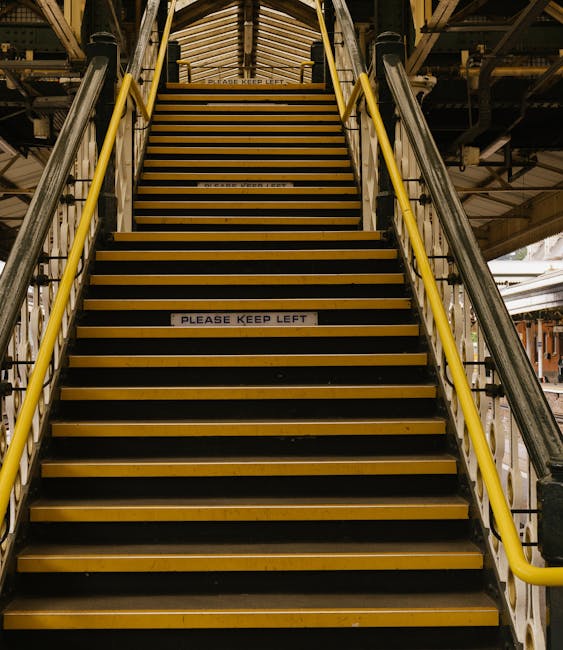
If you are planning a move near West Hampstead station, the access details can make or break the day. A straightforward removal can turn awkward fast when a van cannot stop where you expected, a doorway is tighter than it looked online, or a shared entrance gets busy just as your sofa arrives. These West Hampstead station access tips for removals are designed to help you avoid those little headaches before they become big ones.
In practice, the difference between a smooth move and a stressful one is usually planning. Knowing where the vehicle can wait, how your items will travel from door to van, and which bulky pieces need special handling saves time, money, and a fair bit of patience. Let's get into the details and make the route from flat to van feel a lot less chaotic.
Why West Hampstead station access tips for removals Matters
West Hampstead is busy, layered, and very much a real London transport hub rather than a quiet backstreet loading zone. That is exactly why access planning matters. You may be dealing with narrow residential roads, a stream of pedestrians, rail-related congestion, limited stopping space, or a building entrance that sits a little way from where a vehicle can reasonably park. None of this is unusual, but it does need thought.
For removals, access is not only about parking. It is about the full chain of movement: walking route, doorway width, stairs, lift use, timing, and the size of the vehicle or crew. One missing detail can add repeated trips, extra carrying distance, or delays while everyone waits around looking mildly annoyed. Been there, seen that.
Good access planning also reduces the chance of damage. Tight corners, shared halls, wet pavements, and hurried lifts are where scuffed walls and strained backs tend to happen. If you want to keep the day calm, the access route needs to be treated as seriously as the packing itself.
That is especially true if you are booking help through a man with van service or arranging a bigger move with a moving truck. The right choice depends on how easily items can be loaded, not just how much stuff you own.
How West Hampstead station access tips for removals Works
Access planning starts with a simple question: how will the items actually travel from the property to the vehicle? Around West Hampstead station, that answer often depends on a few moving parts that should be checked before moving day.
First, confirm the loading point. Is there space outside the property, or will the vehicle need to wait on a nearby road while the team carries items over? A short carrying distance is fine in many cases, but if there are stairs, turns, or a busy pavement, that extra distance matters more than people expect.
Second, check the building layout. A ground-floor flat with a direct exit is one thing. A top-floor maisonette with a narrow stairwell is another. Large wardrobes, beds, white goods, and sofas often need more than a casual glance. If the item looks awkward to turn in your hallway, it probably is awkward.
Third, think about timing. Station-adjacent areas can feel tighter at certain hours, particularly when commuters are moving through the streets. Early starts may be easier, but not always. The best window is the one that gives you enough room to load without blocking traffic or rushing the process.
Finally, decide whether you need a smaller vehicle and more manoeuvrability, or a larger vehicle and fewer trips. Sometimes a compact van is the better tool for tight access, even if the load is not huge. Other times it is worth arranging removal truck hire if the volume is substantial and the route can handle it.
Key Benefits and Practical Advantages
Getting access right does a lot more than shave a few minutes off the job. It can improve the whole moving day in ways that are easy to overlook until you do it properly once.
- Less time wasted: Fewer awkward repositioning moves, fewer repeated trips, and less standing around while someone checks where to park.
- Lower risk of damage: A clearer route means fewer bumps against walls, railings, and door frames.
- Better crew efficiency: The team can focus on lifting and loading instead of solving access problems on the spot.
- Less stress for you: You are not trying to think three steps ahead while the clock is ticking.
- Smarter vehicle choice: You can match the vehicle to the access, whether that means a smaller van or a larger moving vehicle.
There is also a trust angle. When a mover asks the right questions about access, it usually signals a more careful approach overall. In our experience, the companies that care about access also care about packing, protection, and insurance details. That matters.
If you are moving household furniture, it can help to think beyond the day itself. For example, if you are clearing a room before moving, you may want to use furniture pick-up for items that are not worth taking with you. That keeps the main removal lighter and the access route less crowded. Handy, really.
Who This Is For and When It Makes Sense
These access tips are useful for almost anyone moving near West Hampstead station, but they are especially relevant if any of the following applies.
- You live in a flat with stairs and no lift.
- Your road is narrow, busy, or difficult to stop on.
- You are moving bulky furniture, appliances, or multiple boxes at once.
- You are moving during commuter hours or on a weekday morning.
- You share a building entrance, hallway, or loading area with neighbours.
- You want a fast, tidy move with fewer surprises.
It also makes sense for local businesses. Office moves and commercial relocations can be just as access-sensitive as home removals, sometimes more so because of delivery schedules, shared building rules, and the need to keep staff disruption down. If that sounds familiar, a commercial moves service or office relocation services approach may be more suitable than a simple same-day load and go.
And yes, if you have been staring at a pile of boxes thinking, "How hard can this be?"-well, the access route usually answers that question for you.
Step-by-Step Guidance
Here is a practical way to handle station-area access without overcomplicating the job.
- Walk the route in advance. Start at the property door and follow the likely path to the vehicle. Look for narrow turns, steps, kerbs, awkward gates, low branches, or cluttered pavement edges.
- Measure the large items. Sofas, bed frames, wardrobes, fridges, and desks can be deceptively awkward. Measure height, width, and any handle or leg protrusions.
- Check building access rules. Some buildings have shared entrances, lift restrictions, or rules about where you can leave items temporarily. If there is a concierge or building manager, ask early.
- Choose the right vehicle size. A smaller vehicle may be easier near tight station-side streets. A bigger vehicle may reduce trips if the route is manageable.
- Prepare the loading area. Clear hallways, move shoes, mats, bins, bikes, and loose clutter out of the way. It sounds basic. It helps a lot.
- Group items by fragility and weight. Keep breakables separate and heavy items near the exit point. Don't bury the kettle under a box of glassware. That way lies trouble.
- Plan the timing. Aim for a slot that avoids the most congested periods if possible. A little breathing room makes the whole process calmer.
- Confirm the final contact details. If the crew is delayed or the access point changes, quick communication keeps the move moving.
A lot of people forget the "last 20 metres" of a move. That is the stretch from building door to vehicle, and it is where most access issues actually happen. Focus there, and the rest gets easier.
Expert Tips for Better Results
Once the basics are in place, the small details start to matter more. These are the bits that often separate an average move from a neat one.
- Use protection before you need it. Doorframe protectors, blankets, and floor coverings are easier to use proactively than after someone has clipped a wall.
- Keep one path clear. Do not create multiple "almost clear" paths. One genuinely clear route is better than three half-clear ones.
- Load in the right order. Heavier, sturdier items should usually go in first so the load sits safely and the lighter items are protected.
- Be realistic about stairs. If a sofa barely fits on the turn, do not assume it will magically behave on moving day.
- Label awkward items. A simple note like "fragile," "this side up," or "lift from base" saves a lot of guesswork.
One useful habit is to take a quick photo of the access point before the move, especially if it is tight or a little unusual. It gives everyone a shared reference. Nothing fancy, just enough to avoid the classic "I thought the van could get closer" conversation.
If you are moving larger household pieces, you may also want to look at house removalists rather than piecing the job together yourself. For mixed loads, a flexible man and van setup can be the sweet spot. It depends on volume, access, and how much lifting you want to manage.
Common Mistakes to Avoid
Most access problems are avoidable. The tricky part is that they often feel small until they are not.
- Assuming the van can park right outside. This is probably the most common mistake. Never assume. Check the exact stopping point.
- Forgetting about height and width. A doorway might technically be usable, but a wardrobe with an awkward top edge may still need careful angling.
- Not clearing the hallway. Even a few extra bags, a plant, and a bike can create enough friction to slow the move down.
- Booking the wrong vehicle size. Too small and you add trips. Too large and you may create parking and turning issues.
- Leaving heavy items until last. That is when people get tired and start rushing. Not ideal.
- Ignoring neighbour access. Shared halls and entrances can become a problem if other residents need to pass through at the same time.
To be fair, one or two surprises can still happen even with good planning. A lift may be out of service, a road may be busier than expected, or a piece of furniture may refuse to pivot the way it did in your head. That is normal. The goal is to reduce the number of surprises, not pretend they do not exist.
Tools, Resources and Recommendations
You do not need specialist kit for every move, but a few simple tools make access planning easier and safer.
| Tool or resource | Why it helps | Best for |
|---|---|---|
| Measuring tape | Checks doors, stairs, lifts, and furniture dimensions before moving day | Any removal with bulky items |
| Protective blankets | Reduces scuffs and knocks during tight carries | Furniture, corners, and stairwells |
| Labels and marker pens | Keeps boxes grouped and easier to prioritise | Multi-room moves and fragile items |
| Phone camera | Helps document access routes, entrances, and parking constraints | Tricky buildings and shared entrances |
| Rubbish and declutter plan | Stops unnecessary items from taking up route space | Pre-move sorting and downsizing |
For people clearing out old items before the move, recycling and sustainability guidance can be a good reminder to separate reusable items from waste. And if you need to dispose of bulky furniture or old bedding, the relevant disposal services such as mattress and sofa disposal can help keep the main removal clean and manageable.
If your move includes appliances, it is wise to think ahead about fridge and appliance removal so you are not trying to wrestle a heavy unit through a half-prepared stairwell. That gets messy in a hurry. And loud too, usually.
Law, Compliance, Standards, or Best Practice
For removals near a station area, the legal and practical side tends to focus on safety, access, and not causing avoidable disruption. You should always work within the rules of the building, the street, and the moving provider's own policies.
Best practice usually includes:
- keeping pathways clear for residents, pedestrians, and staff;
- lifting items safely and using enough people for heavier loads;
- protecting property during handling;
- communicating access restrictions clearly in advance;
- disposing of unwanted items responsibly rather than leaving them in shared spaces.
If your move involves items that need special handling, such as confidential documents or potentially risky materials, it is better to plan separately rather than slipping them into the general moving load. Services like confidential shredding and hazardous waste disposal exist for a reason.
Insurance and safety also matter. It is sensible to understand what protection is in place for goods in transit, public-facing handling, and property protection. A clear insurance and safety approach is not just paperwork; it is part of doing the job properly.
For the service itself, you should expect clear terms, honest communication about what is included, and straightforward payment information. If you want to understand how a provider handles this side of the job, see payment and security and the published terms and conditions. It is boring until it is very important. Then it is all important.
Options, Methods, or Comparison Table
Choosing the right moving method around West Hampstead station often comes down to access, load size, and how much handling you want to do yourself.
| Option | Best for | Access advantage | Potential limitation |
|---|---|---|---|
| Man and van | Smaller or medium loads, flexible local moves | Good for tight streets and short carries | May need more organisation from the customer |
| Man with van | Quick moves, single-room clear-outs, furniture runs | Very handy where access is limited | Not always ideal for larger household moves |
| Moving truck | Larger moves with more inventory | Reduces the number of trips if access allows | Needs more space and careful parking consideration |
| Removal truck hire | Big relocations or full-property moves | Useful when volume is high and load planning matters | Less forgiving on tight access routes |
If you are unsure which route suits your situation, start with the access itself rather than the furniture count. That small change in thinking saves a lot of guesswork.
Case Study or Real-World Example
Picture a two-bedroom flat a short walk from West Hampstead station. The property has one narrow stairwell, a shared hallway, and a sofa that looked perfectly reasonable in the living room but slightly less reasonable once measured. The road outside is busy enough that stopping in front of the building is not guaranteed for long.
In a situation like that, the move works better when the plan is simple: pre-walk the route, keep the hallway clear, split the load into smaller runs, and use a vehicle that can stop close enough without turning the street into a bottleneck. A team with the right setup can load steadily, protect the walls, and keep the carrying route short.
Now imagine the same move without planning. Boxes stack in the corridor, the lift is being used by neighbours, the sofa does not fit the first way round, and everyone ends up negotiating in the rain. Not ideal. It happens more often than people like to admit.
The nicer outcome usually comes from a calm sequence: measure first, pack properly, confirm the route, and choose the service that suits the access rather than the other way round. Simple, but effective.
Practical Checklist
Use this before moving day. It is not glamorous, but it works.
- Measure large furniture and appliance dimensions.
- Check door widths, stair turns, and lift sizes.
- Confirm where the van can stop or wait.
- Ask about building rules, concierge access, or time restrictions.
- Clear hallways, landings, and entrance areas.
- Separate items that may need disposal or recycling.
- Label boxes by room and fragility.
- Keep paperwork, keys, and contact numbers easy to reach.
- Protect floors, walls, and corners where possible.
- Choose the move size and vehicle based on the tightest access point, not the easiest one.
If you are booking a service and want to keep the process straightforward, it also helps to review the company's approach to health and safety policy and about us information so you know who you are dealing with. A little background goes a long way.
Get a free quote today and see how much you can save.
Conclusion
West Hampstead station access tips for removals are really about one thing: removing friction before the move begins. When the route is clear, the vehicle fits the job, and the team knows exactly where to stop and how to carry, everything feels easier. Not effortless, because moving never is, but much easier.
That small bit of preparation can be the difference between a day that feels organised and a day that feels like a scramble. And honestly, on moving day, calm is worth a lot. If you plan the access well, the rest of the job has room to breathe.
Take your time with the details, trust the measurements, and keep things practical. That is usually where the best moves start.
Frequently Asked Questions
What are the most important West Hampstead station access tips for removals?
The most important tips are to check the vehicle stopping point, measure doorways and stair turns, clear the access route, and plan the move time carefully. Those basics prevent most delays.
Should I choose a man and van or a moving truck near West Hampstead station?
It depends on the access and the load size. A man and van is often better for tighter streets and smaller loads, while a moving truck suits larger jobs if the road and stopping space can handle it.
How far in advance should I check access for a removal?
Ideally, check it as soon as the moving date is fixed. Even a short advance check gives you time to measure furniture, speak to building managers, and avoid last-minute surprises.
What if the van cannot park directly outside the property?
That is common in busy London areas. The move can still work, but you should plan for a longer carry route, extra time, and possibly a different vehicle or crew setup.
Do I need to measure my furniture before booking?
Yes, especially for large items like sofas, wardrobes, beds, and appliances. A quick measurement can prevent a lot of awkward lifting and second-guessing on the day.
Is West Hampstead station area difficult for removals?
It can be, depending on the exact street, building type, and time of day. The area is busy, so access planning matters more than in quieter residential locations.
Can I use a removals service for just one or two bulky items?
Absolutely. That is often where a flexible service is most useful. If you only need to move a sofa, bed, or appliance, a smaller setup may be the most sensible option.
What should I do with items I do not want to move?
Sort them before moving day. Useful options may include recycling, furniture pick-up, or specialist disposal for mattresses, sofas, fridges, and other bulky items.
How can I make hallway and stairwell access safer?
Keep the route clear, protect corners where needed, and avoid rushing. Good lighting helps too, especially on stairwells or in older buildings with tight turns.
Are there any compliance issues I should think about?
The main concerns are safety, building rules, responsible disposal, and clear service terms. If you have specific items such as confidential papers or hazardous materials, handle those separately and appropriately.
How do I know if I need packing and unpacking help as well?
If you are short on time, moving fragile items, or trying to manage a tricky access route, packing support can make the day much smoother. It reduces the number of loose items and speeds up loading.
What is the best next step if I am still unsure about access?
Walk the route again, take measurements, and speak to the moving provider with the details in hand. A clear conversation now saves a much messier conversation later.